
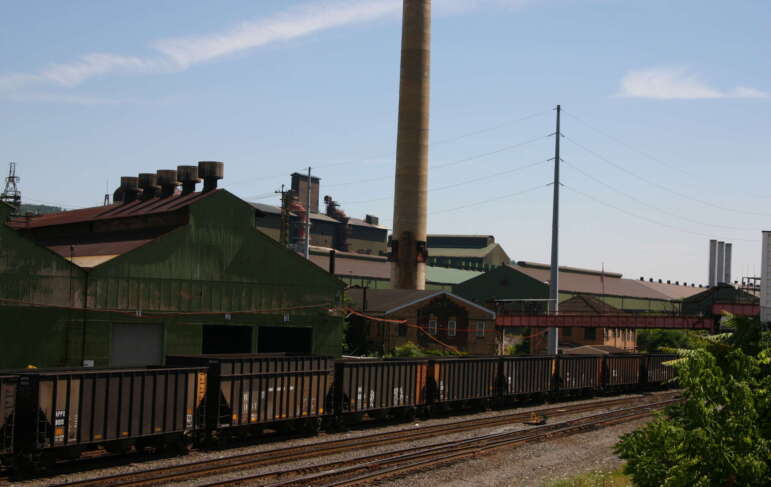
Decades After Asbestos Exposure, WV Workers Pay the Price for Fragmented Records
West Virginia’s identity has always been bound to the industries that powered the country. Generations of residents mined coal, produced chemicals, generated electricity, built infrastructure, and answered the call to serve in uniform. Many of those jobs carried a hidden cost – decades later – in the form of asbestos-related lung cancer. And for far too many workers and veterans, the records needed to connect their illness to their exposure have already vanished.
Prized for its durability and its resistance to heat, asbestos was used in power generation, chemical production, construction, and transportation for many decades. Only later did the public learn of its dangers. When asbestos fibers are inhaled, they can lodge in the lungs and, over many years, trigger chronic and often fatal conditions, including lung cancer.
The danger is now well established, yet the consequences of past exposure continue to emerge because the disease progesses slowly. Asbestos-related lung cancer can take up to 40 years to develop. A worker who handled the material in the 1980s may only receive a diagnosis today, long after the job ended and long after the paperwork that could prove where and how the exposure happened has been discarded.
The military recognized the same advantages that industry did, using asbestos in facilities such as the Air National Guard base in Charleston. That reliance placed countless service members in harm’s way at a time when the hazards were poorly understood. West Virginia is home to roughly 110,000 veterans, and the risk for this group is especially high because many of them moved from military service directly into civilian jobs where the material remained in heavy use for years.
Between 1999 and 2017, more than 3,000 West Virginians died from asbestos-related illnesses. Lung cancer was among the deadliest, claiming as many as 2,076 lives during that period alone. From 1940 to 1979, an estimated 27 million American workers were exposed to asbestos, a legacy that helped drive a 20.2 percent increase in related mortality between 1990 and 2019. Experts anticipate roughly 230,000 new lung cancer cases in the country this year, and many of those diagnoses trace back to exposures that began decades earlier.
Why the Records Matter
Exposure to asbestos is only part of the problem. The otherpart is the absence of any system built to track that exposure over the long term. Employers, regulators, and government agencies have always kept records, but those records were designed to satisfy immediate employment needs and regulatory compliance. They were never meant to preserve the historical detail that a lung cancer diagnosis 40 years later would require.
So when the disease finally appears, the documents that could establish the source of exposure are often fragmented, incomplete, or gone entirely. That gap hits veterans hardest, because their exposure frequently begins in the service and extends into civilian work, spreading the evidence across multiple employers and multiple decades. No comprehensive framework exists to preserve those histories or connect them into a single record.
Recent policy has taken steps in the right direction. The Honoring Our PACT Act is an important acknowledgment of toxic exposure among service members. Even so, it does not resolve the broader challenge of documenting the civilian exposures that so often follow military service. What West Virginia’s workers and veterans need is a durable system that treats occupational exposure histories as long-term public health records rather than temporary employment files. By integrating military and civilian exposure records into a centralized framework, the country could finally ensure that the passage of time does not erase the evidence essential to understanding the true cost of asbestos.
The burden of proof may fall on the injured party, but the attorneys at GPW are here to help. For over 40 years, GPW has accumulated thousands of corporate documents, purchasing orders, invoices, and more proving what products were used and where. For a client that couldn’t recall anything but design on a bag of asbestos material, GPW was able to locate a picture of that bag and invoices proving that product was indeed delivered to their worksite. If you or a loved one has been diagnosed with lung cancer after working in an industry where asbestos exposure may have occurred, you do not have to sort through the questions alone. Contact Goldberg, Persky & White today to speak with an experienced asbestos attorney and take the first step toward answers, accountability, and the support your family deserves.