
Alan Reinstein Ban Asbestos Now Act of 2026 Gains Bipartisan Support in Washington
A renewed effort to ban commercial asbestos in the United States is moving through Washington with a development advocates have sought for years: bipartisan support in the Senate.
On August 4, Sen. Jeff Merkley of Oregon introduced the Alan Reinstein Ban Asbestos Now Act of 2026, or S. 5235. Sen. John Curtis of Utah joined as a co-sponsor, becoming the first Senate Republican to back the legislation. Similar legislation was introduced in 2017 and 2023 but did not advance out of committee; however, the addition of Republican support could give the 2026 proposal new momentum as lawmakers once again consider how the United States regulates asbestos.
What the 2026 Asbestos Ban Would Do
The bill would amend the Toxic Substances Control Act of 1976 to prohibit the manufacture, processing, use, and distribution in commerce of commercial asbestos and products containing asbestos. Federal legislation is significant because asbestos has never been completely prohibited in the United States. The Environmental Protection Agency (EPA) attempted a broad ban in 1989, but much of that rule was overturned by a federal appeals court in 1991. Since then, federal asbestos policy has relied on restrictions, individual product bans, reporting requirements, and regulation under the Toxic Substances Control Act. S. 5235 would establish a much broader statutory prohibition.
The proposal addresses all six recognized asbestos fiber types: chrysotile, crocidolite, amosite, anthophyllite, tremolite, and actinolite. It also addresses fibers associated with Libby Amphibole asbestos, an additional concern for asbestos exposure and disease advocates.
Chrysotile asbestos has particular relevance to current U.S. commerce because it is the only known type of asbestos still imported into the country. It has historically been used in products such as aftermarket automotive brakes and linings, brake blocks, sheet gaskets, and other vehicle friction products.
The legislation includes transition periods for certain limited existing uses rather than requiring every affected industry to stop immediately. These provisions are intended to allow industries to move toward asbestos-free alternatives while establishing a firm federal direction toward eliminating commercial asbestos.
The new legislation follows an important asbestos regulation issued by the EPA in March 2024. Under the Toxic Substances Control Act, the EPA finalized a rule prohibiting ongoing uses of chrysotile asbestos in several commercial and industrial applications. Those applications included chlor-alkali diaphragms, sheet gaskets, oilfield brake blocks, aftermarket automotive brakes and linings, other vehicle friction products, and certain other gaskets. The Alan Reinstein Ban Asbestos Now Act of 2026 would go further by establishing a comprehensive federal prohibition covering the recognized forms of commercial asbestos.
Supporters argue that legislation would also provide a more permanent framework because the prohibition would be written directly into federal law rather than relying solely on regulatory action by an executive agency.
The distinction is important for asbestos exposure prevention. Although many current uses have declined substantially over time, older asbestos-containing materials remain present in buildings, industrial facilities, vehicles, equipment, and other environments.
Previous attempts to enact a comprehensive federal asbestos ban were primarily supported by Democratic lawmakers. Curtis is the first Senate Republican to co-sponsor the Alan Reinstein Ban Asbestos Now Act. The bill has also received support from numerous health, environmental, scientific, and worker organizations. Supporters include the Asbestos Disease Awareness Organization, American Public Health Association, Center for Environmental Health, Collegium Ramazzini, Environmental Information Association, Environmental Working Group, Federal Fire Fighters Joint Council, and International Association of Fire Fighters.
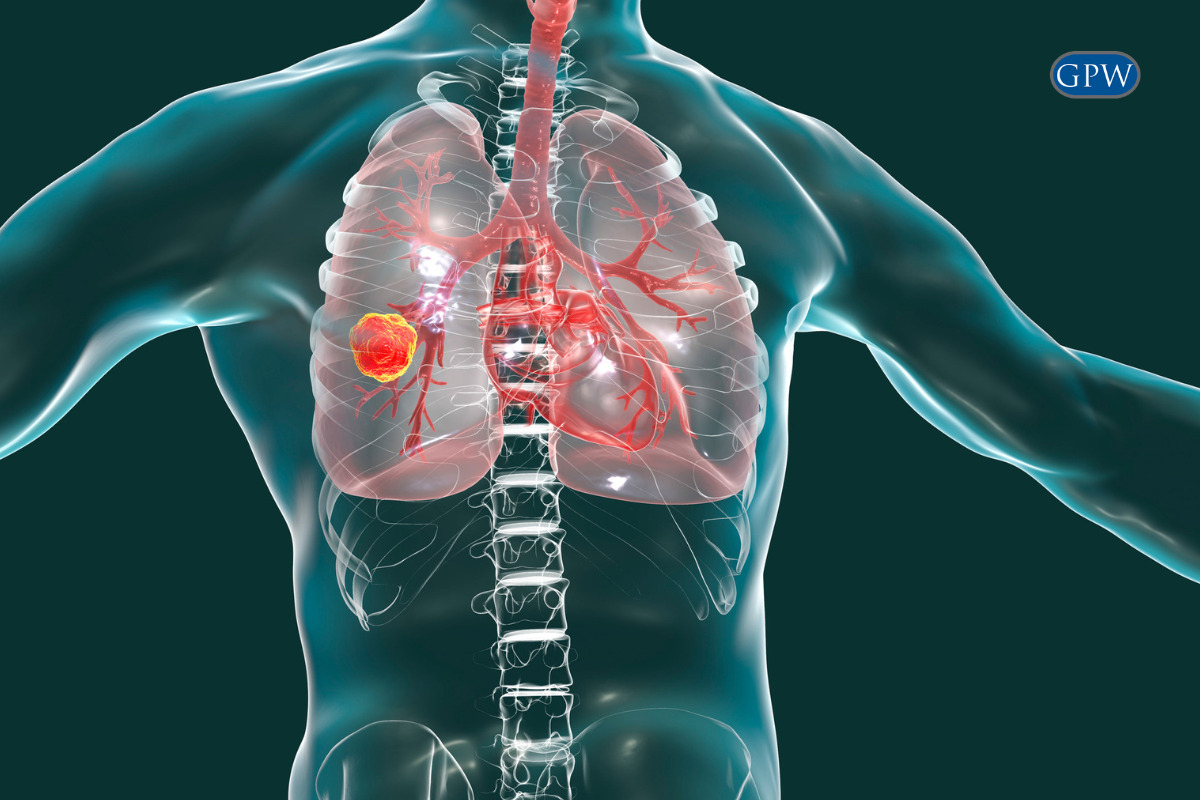
Mesothelioma is a rare and aggressive cancer strongly associated with asbestos exposure. It most commonly develops in the lining surrounding the lungs, although it can also affect tissue surrounding the abdomen and other organs. Because asbestos-related illnesses can develop decades after exposure, individuals exposed many years ago may continue to face health consequences today.
If you or a loved one has been diagnosed with mesothelioma or another asbestos-related disease, understanding your legal options can be an important next step. Goldberg, Persky & White represents individuals and families affected by asbestos exposure and occupational disease and can help evaluate the circumstances surrounding a potential claim.