
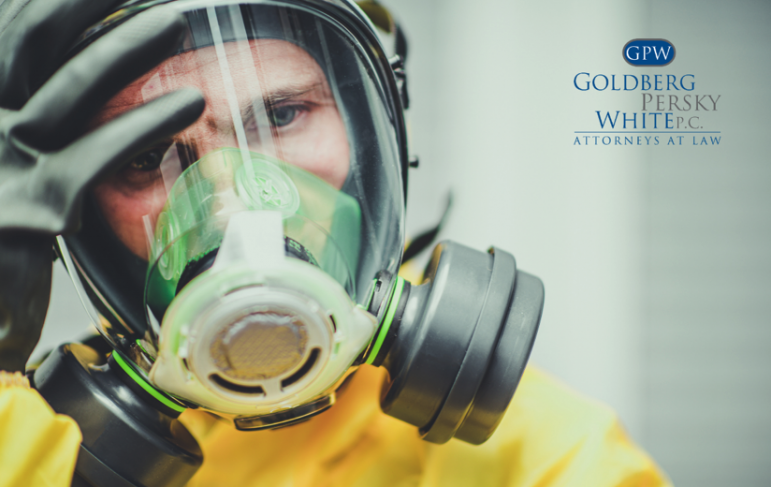
Toxic Exposures at Chemical Plants
During the last 50 years, advances in chemistry and manufacturing have resulted in the introduction of thousands of new products into everyday use by industry and consumers. Over time, some of those products have become dangerous for human use or consumption. Industrial workers at chemical plants are regularly exposed to higher levels of chemicals and have a greater risk of developing illness from particular chemical exposures than the general population.
Approximately 80,000 chemicals are currently in use in the United States, of which 38 are under high priority EPA risk evaluation as known human carcinogens and high acute toxicity chemicals.
What are Toxic Chemical Substances?
The EPA defines a toxic chemical as any substance which may be harmful to the environment or hazardous to your health if it is inhaled, ingested, or absorbed through the skin.
Chemical toxins include naturally occurring substances, such as caffeine, ricin, nicotine, mercury, lead, silica, and asbestos, which all come from plants or minerals.
Many Industrial or lab-produced chemicals used in specific industries and trades and used to produce consumer products are also chemical toxins. Examples include:Acetone, Bromine, Benzene, Carbon Tetrachloride, Dioxins, Polychlorinated biphenyl (PCBs), and polyfluoroalkyl (PFAS).
Health Effects to Toxic Chemical Exposure
Exposure to toxic chemicals can result in severe health defects, often when exposure has occurred over a sustained period. Chemical plant employees can be exposed to harmful materials, which can cause them to develop severe illness. These are life-threatening conditions that can lead to suffering, financial ruin, and premature death.
Federal Regulation of Toxic Chemicals
In 1976, Congress approved the Toxic Substances Control Act or (TSCA), which regulates thousands of chemicals used in items such as furniture, baby products and commercial and industrial chemicals. In 2016, Congress approved the Lautenberg Chemical Safety Act revisions to the 1976 law, requiring the EPA to evaluate existing chemicals for risk to the public, and implement law enforcement and cleanups.
Toxic Substance Lawsuits
An individual or a group of individuals (class-action) can file a personal injury lawsuit to seek compensation for medical injury or illness and damages. Proving liability in this type of case requires proof that:
- The chemical was dangerous.
- The plaintiff was exposed to the chemical, and
- The plaintiff suffered harm from the chemical.
In occupational exposure to a toxic chemical, the proof is not always easy to come by.
- The source of the chemical may not be able to be identified
- The plaintiff may have been exposed to several chemicals and may not be able to prove with medical evidence that a specific chemical caused their injury or illness
- Some toxic substances can take years after the exposure to manifest, so evidence or documentation may no longer be available
- There may be no scientific evidence that a specific chemical is linked to the plaintiff’s injury or illness
If you or a relative has had toxic exposure at chemical plants and have been harmed, you should seek experienced legal representation from Goldberg, Persky & White today. We have helped many people who have been injured themselves, but also many families who’ve lost loved ones to toxic exposures, and also to those who have suffered as a result of second-hand exposure. Contact us today to find out how our toxic tort lawyers can help you.