
How EPA Cutbacks Leave Communities Exposed to Toxic Air
For decades, the U.S. Environmental Protection Agency (EPA) has acted as the nation’s guardian of public health, holding industries responsible for the pollutants they release into the air, water, and soil. A recent investigation revealed that the system for tracking and reporting toxic air emissions in the United States is deeply flawed, and recent changes to regulations have made it more difficult for communities to understand the air they breathe.
The report shows that millions of Americans may be exposed to dangerous air pollutants every day because the EPA’s main tools for monitoring industrial emissions are outdated, incomplete, or in some cases deliberately reduced. These shortcomings have consequences that go beyond data. They impact the health, safety, and confidence of families living near industrial facilities.
A System Built on Estimates, Not Evidence
The EPA’s public pollution database is the Toxic Release Inventory (TRI), a system established in the 1980s to give citizens access to information about the chemicals being released into their environment. The TRI relies heavily on self-reported data from companies.
In most cases, facilities don’t directly measure the toxins they emit. Instead, they estimate emissions using formulas and assumptions. These methods can vary widely and often fail to reflect real-world conditions. Recent investigations found that these self-reported numbers are not routinely verified, meaning the actual levels of pollution could be far higher than what appears in federal databases.
The Rollback of Fence-Line Monitoring
One of the most pressing issues revealed in the investigation is the rollback of fence-line monitoring, a system that measures pollution at the edge of industrial sites where they meet nearby communities. Fence-line monitors can detect dangerous air pollutants such as benzene, formaldehyde, and ethylene oxide, chemicals linked to cancer, respiratory problems, and neurological damage.
In recent years, the EPA has eased or removed certain fence-line monitoring requirements, especially for petrochemical and refining facilities. Some plants no longer need to publicly share their results, and others face less oversight in how the data is gathered and reported.
These changes have drawn strong criticism from environmental scientists and public health advocates, who warn that the rollbacks undermine both transparency and accountability.
The Human Toll: Disproportionate Impact on Vulnerable Communities
The effects of weak air monitoring are not distributed evenly. Across the country, low-income and minority communities are far more likely to live near refineries, chemical plants, or other major pollution sources.
These “fence-line communities” experience some of the nation’s highest rates of asthma, cardiovascular disease, and cancer. These conditions are directly linked to chronic exposure to airborne toxins. When the government reduces oversight or data transparency, these neighborhoods are often the first to suffer and the last to receive answers.
In some cases, residents have been forced to take matters into their own hands. Grassroots organizations have begun setting up independent air monitors, filing Freedom of Information Act (FOIA) requests, and pushing for greater local enforcement when federal protections fall short.
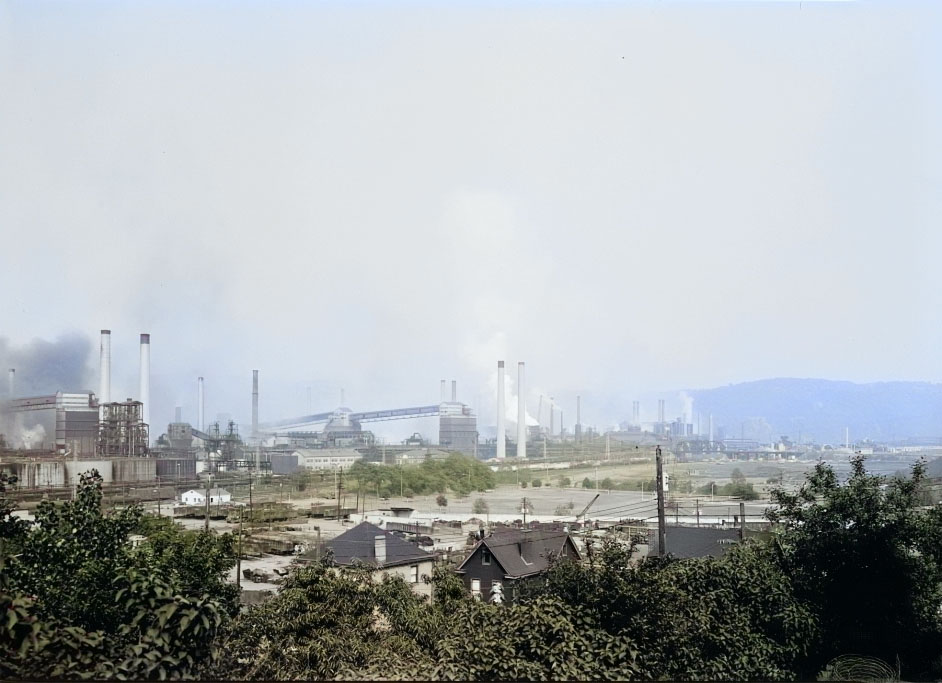
Clairton Coke Works
For decades, residents of Clairton and nearby communities such as Glassport, Liberty, and Lincoln have reported chronic odors, visible emissions, and respiratory problems linked to the plant’s operations. The Allegheny County Health Department (ACHD) has cited Clairton Coke Works numerous times for air quality violations, including excessive releases of sulfur dioxide and fine particulate matter, both known to trigger asthma and other respiratory conditions.
The problem came to national attention after a 2018 fire damaged critical pollution-control equipment at the facility. For more than three months, the plant operated without full emissions control, releasing thousands of pounds of additional pollutants into the air. During that period, air quality monitors recorded repeated exceedances of health-based standards, and hospital visits for respiratory distress increased dramatically.
Legal and Regulatory Accountability
The rollback of air monitoring requirements also raises important legal questions about compliance with federal environmental laws. The Clean Air Act mandates that the EPA protect public health by enforcing emission limits and ensuring that major sources of pollution are properly monitored. When these standards are weakened, it becomes harder for regulators to detect violations and for affected citizens to pursue justice.
At Goldberg, Persky & White, P.C., our attorneys have seen firsthand the devastating effects of toxic exposure. Whether it’s asbestos fibers, chemical leaks, or airborne carcinogens, the outcome is often the same: preventable illness caused by corporate negligence and regulatory inaction. Call today for a free consultation.