Fracking and its Effects on the Environment and Human Health
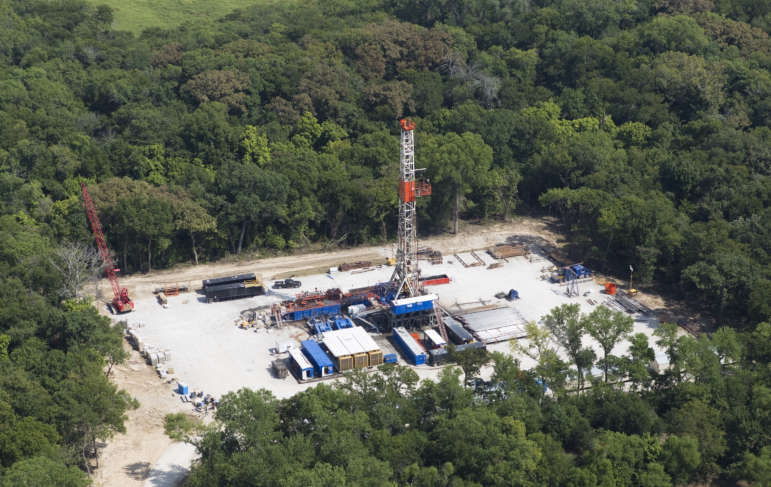
Hydraulic Fracturing, or fracking, is the process of injecting millions of gallons of water, sand, and toxic chemicals into the ground to extract natural gas. Fracking was created by Halliburton to increase production in conventional oil and gas wells when the wells started to run low, but is now being used for extracting natural gas from shale because vertical drilling is not economical enough.
Marcellus Shale, a large deposit of shale gas underneath the Appalachians spanning from West Virginia to the western part of New York State, has been known for more than 100 years. It was unattainable until the last two decades, but with fracking it is now possible. The gas in the deposits is dispersed among thin layers of loose rock (shale) approximately one mile below ground. When a well like Marcellus Shale is fracked, the injection of the fracking fluid creates a mini earthquake, releasing the gas that is trapped inside. Half of the fluid stays underground while the other half comes up with the gas. The gas is then brought to compressor stations where it is cleaned and prepared to be piped to power plants, manufacturers, and domestic consumers.
The natural gas industry says that it is a cleaner burning fuel, but using fracking to extract it from the ground is not clean or “green”. When the gas is processed, volatile organic compounds and other dangerous products are burned off into the atmosphere, ruining air quality. Dealing with the used fracking fluid, also known as wastewater, is also a very messy and dirty process. It is taken by multiple trucks or put into tarp lined pits and is allowed to evaporate. The emissions from the trucks pollute the air and counteract any benefits the natural gas may have. There is also a chance that a spill or some other mishap could occur. Examples include 8,000 gallons of fracking fluid killing fish after leaking into wetlands and a stream, water wells blowing up, and groundwater being contaminated.
Health Problems due to Fracking
Respiratory Problems (Cough, shortness of breath, and wheezing)
- Benzene is released from the rock during drilling
- Water and toxic chemicals are stored in pits, which releases volatile organic compounds into the air
- Diesel pumps that inject water into the ground emit chemicals and particulates
Problems during pregnancy
- Fracking chemicals are harmful to women and developing babies
- Endocrine disruptors in surface waters have been found in concentrations high enough to hurt the fetus
- A Hopkins and Geisinger study found that women with newborns have a 40 percent chance of having a premature baby and a 30 percent chance of the pregnancy being considered high risk due to fracking chemicals.
If you have been exposed to fracking chemicals or other carcinogens like asbestos and now have cancer, you may be entitled to compensation. Call us at 412-471-3980 or visit our contact page to speak to an attorney and learn your options.
Sources:
Christopher Bateman, “A Colossal Fracking Mess” Vanity Fair (June 2010). [Link]
Judy Stone, “Fracking Is Dangerous To Your Health — Here’s Why” Forbes (February 23, 2017). [Link]