
FDA Withdraws Talc Asbestos Testing Rule, Raising Safety and Legal Concerns
The recent decision by the Food and Drug Administration (FDA) to withdraw its proposed rule requiring standardized testing for asbestos in talc-based cosmetics has caused concerns among public health advocates, consumer protection organizations, and legal experts. For decades, asbestos contamination in talc has been a well-documented The agency’s reversal places consumers at continued risk and raises serious questions about regulatory accountability.
The Modernization of Cosmetics Regulation Act of 2022 (MoCRA) directed the FDA to establish rules requiring testing for asbestos in talc containing cosmetics. These tests were intended to create uniformity, strengthen oversight, and reduce public exposure to a known human carcinogen.
Instead, the FDA abruptly announced that it is withdrawing the proposal, citing comments about possible “unintended consequences” for drug manufacturers. The regulatory notice explains a need to reassess how standardized test methods should be implemented, but the move effectively halts progress on a critical consumer safety measure.
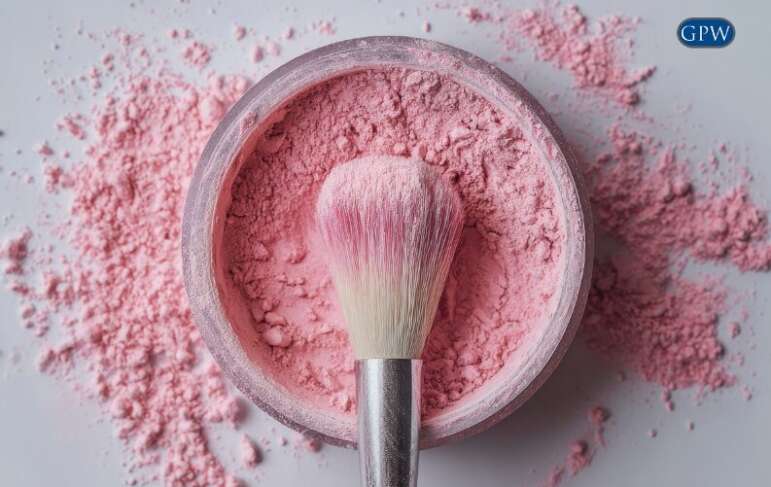
Without stringent testing, asbestos fibers are known to contaminate talc during mining and processing. Because talc is used in thousands of cosmetic and personal care products, including powders, blushes, eye shadows, and dry shampoos, millions of consumers may unknowingly inhale or apply products tainted with carcinogenic fibers.
Multiple independent investigations, including laboratory analyses commissioned by environmental and health organizations, have repeatedly found asbestos in talc-based cosmetics. Yet despite decades of evidence, the cosmetics industry has largely been permitted to use voluntary testing approaches, methods that are inconsistent, often less sensitive, and sometimes incapable of identifying the full range of asbestos fiber types. Eliminating mandatory standards only prolongs these vulnerabilities.
Exposure to asbestos is linked to life threatening diseases, including mesothelioma, asbestosis, and lung caner.. There is no known safe level of exposure. Even minimal contact with asbestos-containing dust can embed fibers deep within the body, where they may remain for decades before disease development.
For women in particular, the risks extend beyond occupational exposure. Talc-based products, traditionally marketed to and disproportionately used by women, have been associated with increased rates of mesothelioma.
For years, companies that rely on talc as a bulk ingredient have resisted stronger testing requirements, often citing cost or manufacturing complexity. The FDA’s latest action signals that these pressures may once again be prioritized above consumer safety. Without strict, enforceable regulatory standards, asbestos contamination will continue to evade detection, leaving consumers reliant on inconsistent company led testing and voluntary reporting.
Talc-related controversies are not new. High profile litigation, including tens of thousands of lawsuits against major manufacturers, has revealed internal company documents showing decades of awareness about potential contamination risks. Many corporations continued to market their products as safe even when internal test results indicated otherwise. These lawsuits have secured significant compensation for victims harmed by asbestos-tainted talc.
For individuals who develop mesothelioma or other asbestos-related diseases, the consequences are devastating. These illnesses are aggressive, difficult to treat, and often fatal. Many victims never realize that a product as common as baby powder or everyday cosmetics exposed them to carcinogenic fibers.
If you or someone close to you has been diagnosed with mesothelioma or another asbestos related illness, you may have legal options. Reach out to our team of experienced attorneys at – Goldberg, Persky & White, P.C. to discuss your case.