
September 11th Anniversary: The Lasting Impact of Asbestos Exposure
Each year on September 11th, we honor the lives lost and the bravery of first responders and community members. While the images of that day remain in our collective memory, the lasting health effects of exposure to the toxic dust cloud released in the aftermath continue to unfold decades later. Many are still facing serious health issues from the toxic dust, especially asbestos exposure, which has led to rising cases of mesothelioma and other illnesses.
Asbestos was incorporated into the early stages of construction of the World Trade Center (WTC). Although the use of asbestos was phased out during the building of the North Tower in the 1970s, hundreds of tons still remained in place on September 11, 2001. When the towers collapsed, this asbestos was released into the air, mixing with other hazardous materials such as lead, glass fibers, and combustion byproducts.
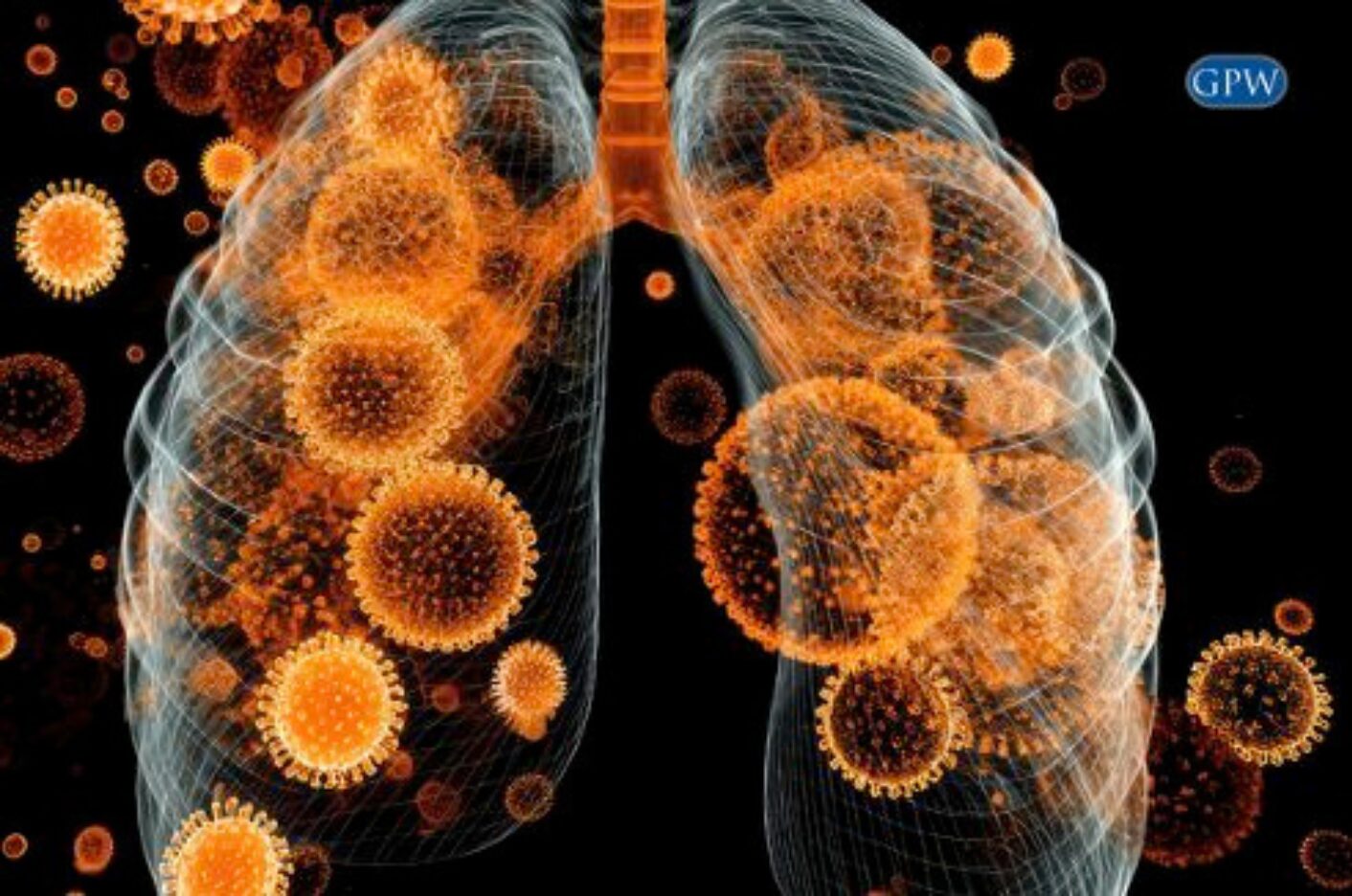
The destruction of the towers produced more than a million tons of dust and debris, dispersing across lower Manhattan and beyond. Firefighters, police officers, EMTs, construction workers, and volunteers rushed to Ground Zero. The danger they faced was immediate and invisible. When airborne, asbestos fibers can be inhaled or ingested and lodge in the lining of the lungs, abdomen, or heart. Over time, this can lead to mesothelioma, lung cancer, or asbestosis.
Asbestos-related diseases are known for their long latency period. Symptoms often do not appear until 20 to 50 years after exposure. This means many 9/11 responders and survivors are only now beginning to experience health problems tied directly to Ground Zero.
Early studies conducted after 9/11 detected asbestos in both outdoor air and indoor dust in lower Manhattan. Although federal agencies initially reported that levels were within regulatory limits after the first few days, asbestos was found in settled dust across apartments and commercial buildings. Researchers have since confirmed that even minimal disturbance could cause asbestos fibers to become airborne again, prolonging exposure risks for residents and workers in the area.
The long-term impact of asbestos exposure has become increasingly clear. Over the past two decades, there has been a growing number of cancer diagnoses among first responders and survivors, including cases of mesothelioma. For these reasons, mesothelioma is now recognized as a certifiable 9/11-related cancer.
These long-term consequences of asbestos exposure from 9/11 prompted the federal government to establish several programs to provide healthcare and financial assistance. The WTC Health Program tracks and monitors patients with related illnesses, offering both treatment and resources. Additionally, in 2019, the U.S. Senate permanently reauthorized the 9/11 Victim Compensation Fund, ensuring that responders, survivors, and their families have access to the support they deserve.
This anniversary, as we remember the lives lost on 9/11, we also honor the first responders and community members who continue to suffer from the consequences of that day. Asbestos-related illnesses such as mesothelioma are aggressive, difficult to treat, and often diagnosed in advanced stages. Raising awareness, advocating for early screening, and supporting ongoing medical research are crucial steps in addressing the long-term impact of asbestos exposure.
If you or someone close to you has been diagnosed with mesothelioma or another asbestos-related illness, you may have legal options. Reach out to our team of experienced attorneys to discuss your case. We’re here to guide you through the process and help you pursue justice.