
Pulmonary Fibrosis vs. Asbestosis: Understanding the Differences and Your Legal Rights
Breathing is something most people take for granted until it becomes difficult. For individuals diagnosed with pulmonary fibrosis or asbestosis, even simple daily activities can feel overwhelming. While these two lung conditions share similarities, they are not the same. Understanding how they differ is essential, especially when a diagnosis may be connected to workplace exposure and potential legal claims.
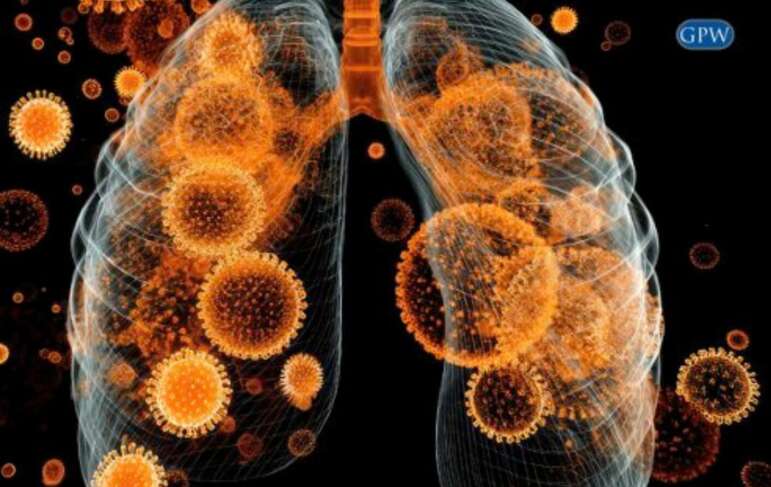
Pulmonary fibrosis is a general term used to describe a group of lung diseases that result in scarring of the lung tissue. As this scarring progresses, it thickens the walls of the lungs and limits the body’s ability to absorb oxygen efficiently. The condition can develop for a variety of reasons. In some cases, it is linked to environmental pollutants, long-term exposure to certain medications, autoimmune disorders, or chronic infections. However, many individuals are diagnosed with idiopathic pulmonary fibrosis, meaning the exact cause cannot be identified.
Symptoms of pulmonary fibrosis often develop gradually and worsen over time. Individuals may experience a persistent dry cough, increasing shortness of breath, fatigue, and unexplained weight loss. Some people also develop a condition known as clubbing, where the fingertips widen and become rounded. Because the disease can have many possible causes, diagnosing pulmonary fibrosis often requires a thorough evaluation, including imaging scans, pulmonary function tests, and a detailed medical history.
Asbestosis, on the other hand, is a specific form of pulmonary fibrosis caused exclusively by inhaling asbestos fibers. These microscopic fibers can become trapped in the lungs, leading to inflammation and, over time, permanent scarring.
This exposure most commonly occurs in occupational settings. Workers in industries such as construction, shipbuilding, manufacturing, and insulation installation have historically faced higher risks, particularly before strict safety regulations were in place. One of the most challenging aspects of asbestosis is its long latency period. Symptoms often do not appear until decades after the initial exposure, making it difficult for individuals to immediately connect their illness to their past work environment.
The symptoms of asbestosis closely resemble those of pulmonary fibrosis. In many cases, doctors may also detect a crackling sound in the lungs during breathing, which can be an important diagnostic clue. Because of these similarities, distinguishing between the two conditions often depends heavily on a patient’s exposure history.
Although both diseases involve lung scarring, the cause of that scarring is one of the most important differences and it carries significant legal implications. Pulmonary fibrosis does not automatically suggest wrongdoing or negligence, particularly when the cause is unknown or related to natural disease processes. Asbestosis, however, is directly linked to asbestos exposure, which frequently occurred in environments where proper safety measures were not followed.
For many individuals diagnosed with asbestosis, there is a clear connection to workplace conditions. Employers and manufacturers have long been aware of the dangers associated with asbestos, yet in many cases failed to adequately warn or protect workers. As a result, those affected may have the right to pursue compensation for the harm they have suffered. This can include coverage for medical expenses, lost income, pain and suffering, and long-term care needs.
Even in cases initially diagnosed as pulmonary fibrosis, it is important not to overlook the possibility of toxic exposure. Some individuals later discover that their condition may be related to asbestos or other harmful substances encountered in the workplace. A careful review of occupational history can be a critical step in uncovering the true cause of the disease.
Timing is also an important factor. Both pulmonary fibrosis and asbestosis are progressive conditions that worsen over time, making early medical intervention essential for managing symptoms and maintaining quality of life. From a legal perspective, acting promptly is equally important. There are strict time limits, known as statutes of limitations, that determine how long an individual has to file a claim after receiving a diagnosis. Missing these deadlines can prevent victims from seeking the compensation they may deserve.
At Goldberg, Persky & White, P.C., we understand how life-changing a diagnosis like this can be. For decades, our firm has represented individuals and families affected by asbestos exposure and occupational lung diseases. We work closely with clients to investigate their exposure history, identify responsible parties, and build strong cases supported by medical and occupational evidence.
Pulmonary fibrosis and asbestosis may appear similar on the surface, but the differences between them can have a profound impact on both medical care and legal outcomes. If you or a loved one has been diagnosed with either condition, it is important to seek answers. When exposure to harmful substances may be involved, you deserve clarity, support, and the opportunity to pursue justice.